
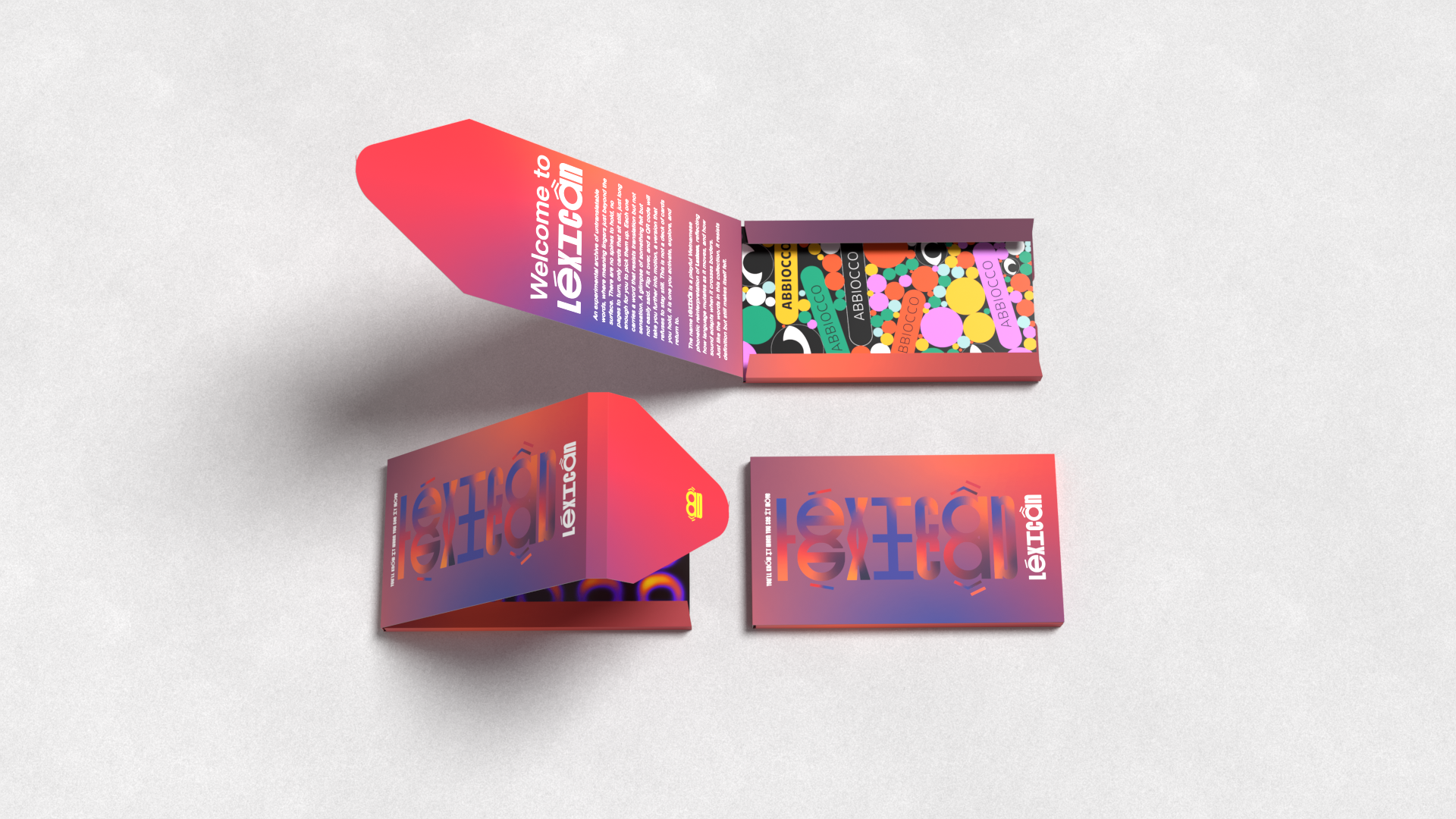
Léxicân: An AR Collection of Untranslatable Words
Kinetic Type | AR/VR
Léxicân is an experimental “book” that explores untranslatable words through motion, typography, and interactive design. Each word lives on a printed card or poster that can be scanned through a phone, where the letters begin to move directly from the page. By blending physical print with augmented reality, the project rethinks the book as something viewers can walk through, hold, and experience in motion. It invites a slower way of reading, where language is felt as much as it is understood.
The Process
❋
The Process ❋
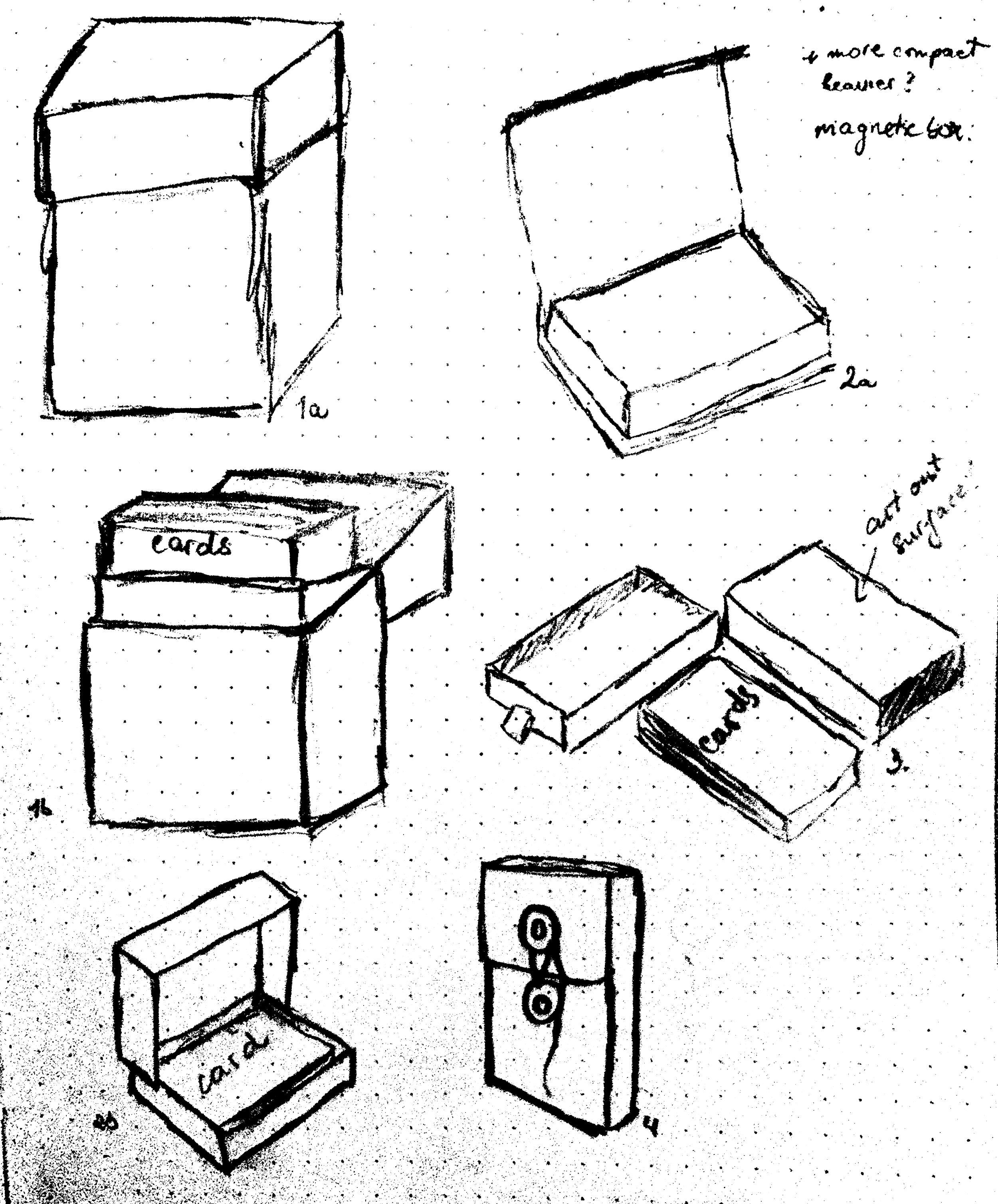
Initially, Léxicân was imagined as a physical deck of cards, designed as a tactile way to encounter each untranslatable word one at a time. The idea was simple. A viewer could shuffle the deck, hold a single card, and scan a QR code that would activate an AR animation connected to the word’s meaning. The physical act of touching and selecting a card became part of the experience, grounding the digital motion in something tangible.
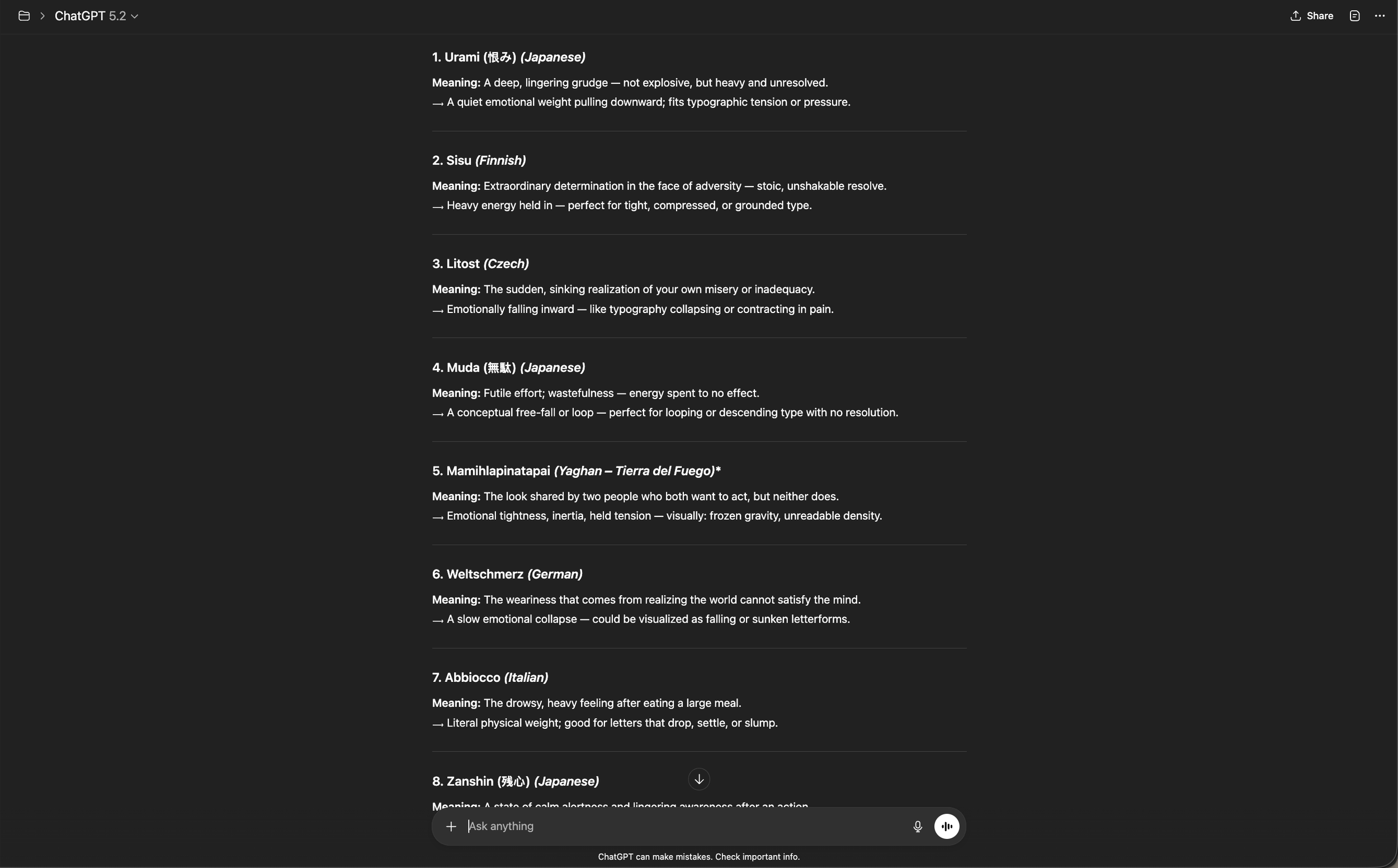
ChatGPT was used during the research and early brainstorming phases of Léxicân. Since the project focused on experimenting with new methods and tools, it served as a thinking partner while exploring word meanings, cultural context, and early narrative directions. The conversations helped expand the range of references and perspectives beyond the words already familiar, supporting the project’s hybrid and exploratory approach.
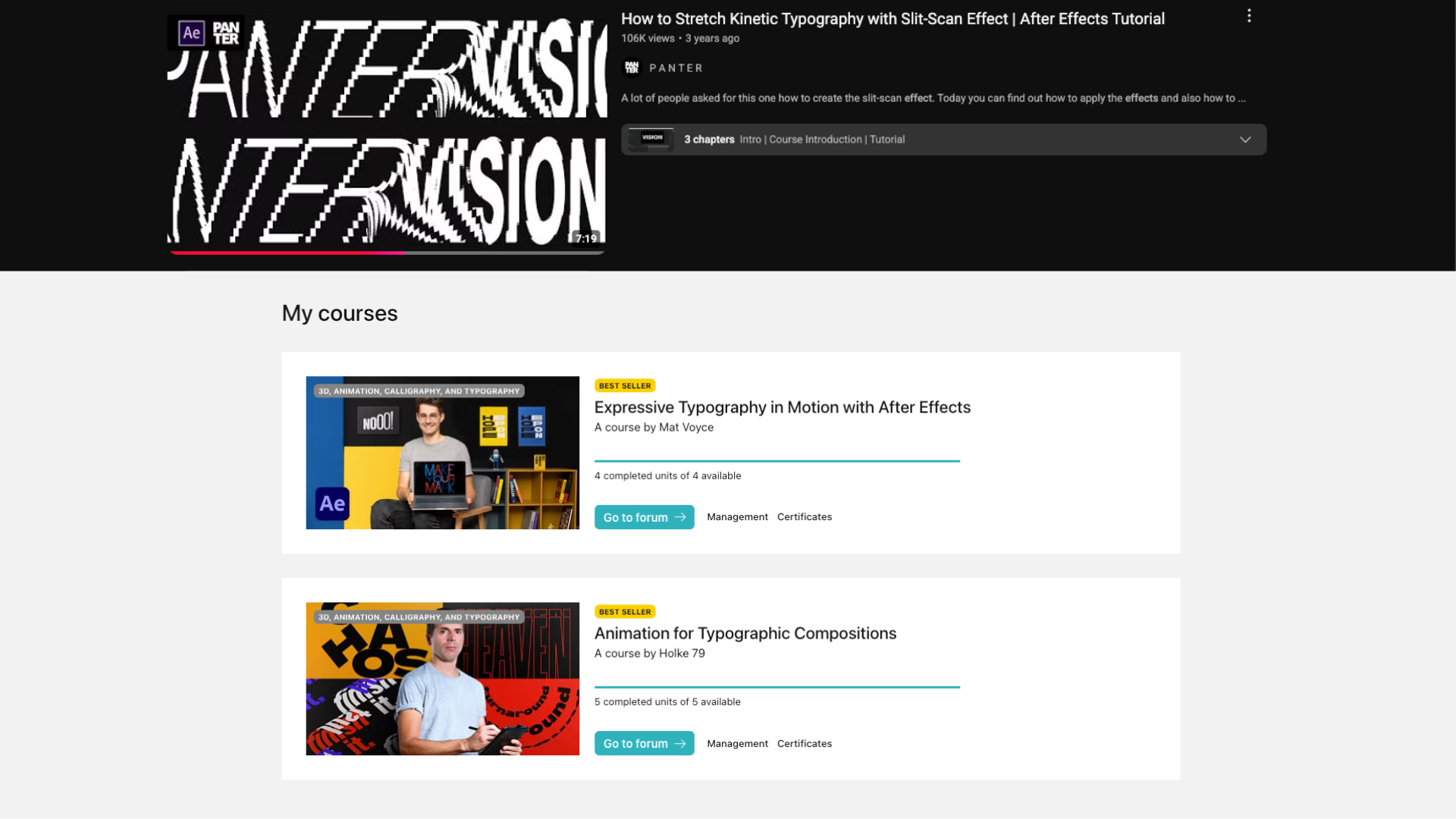
At the start of Léxicân, I had no experience in motion design. I taught myself After Effects from scratch through YouTube tutorials and a few Domestika courses, spending a lot of late nights figuring things out through trial and error. My original plan was to create a kinetic typography project, a series of motion pieces where each word would animate on screen.
The Result
❋
The Result ❋
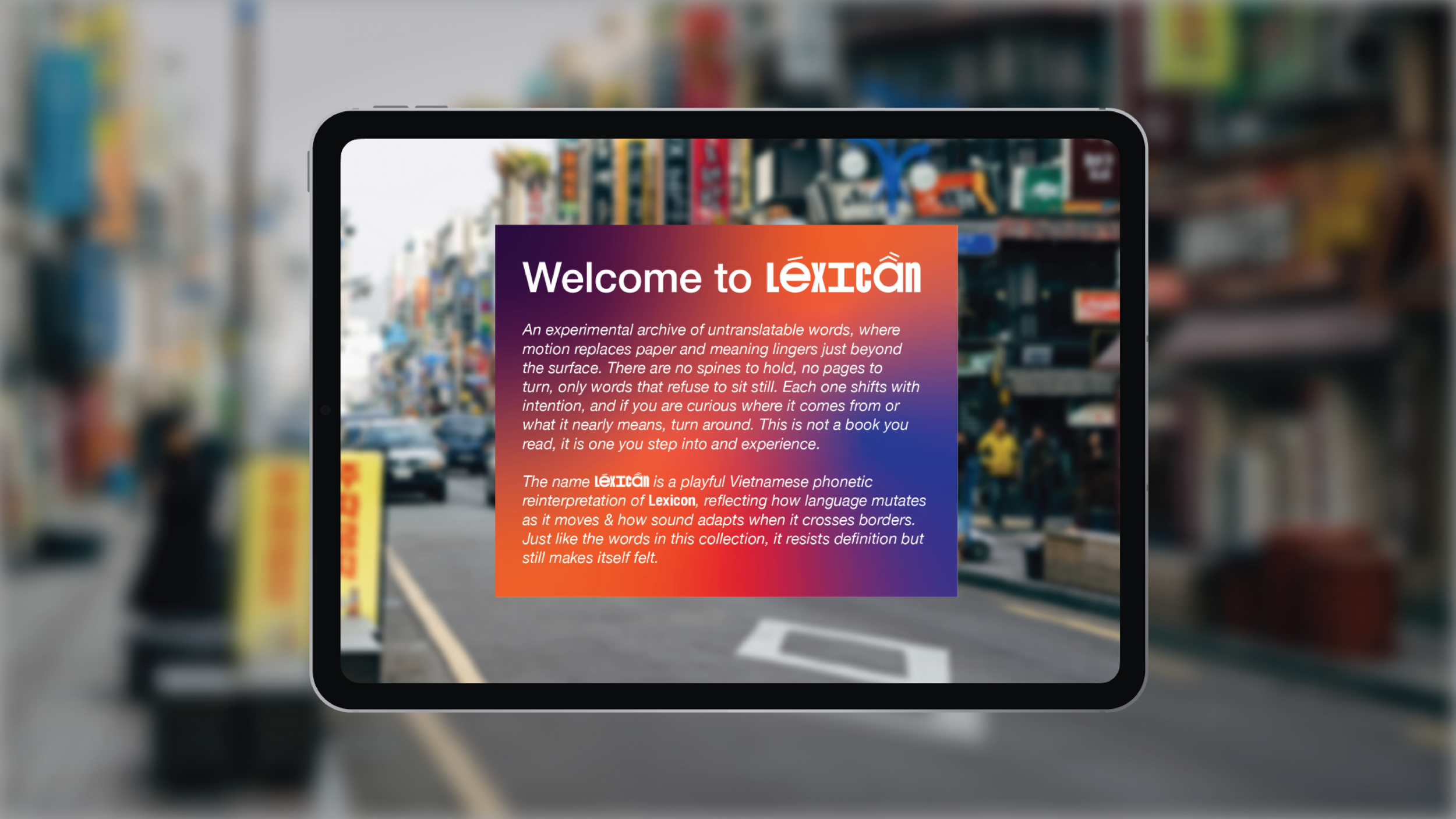
As I developed it, that format began to feel limited. Watching a video did not create the kind of interaction I wanted. I wanted people to discover each word in space, to move around it, to feel more involved. That shift pushed me toward augmented reality, expanding the project from motion on a screen into an experience that lives between the physical and the digital.
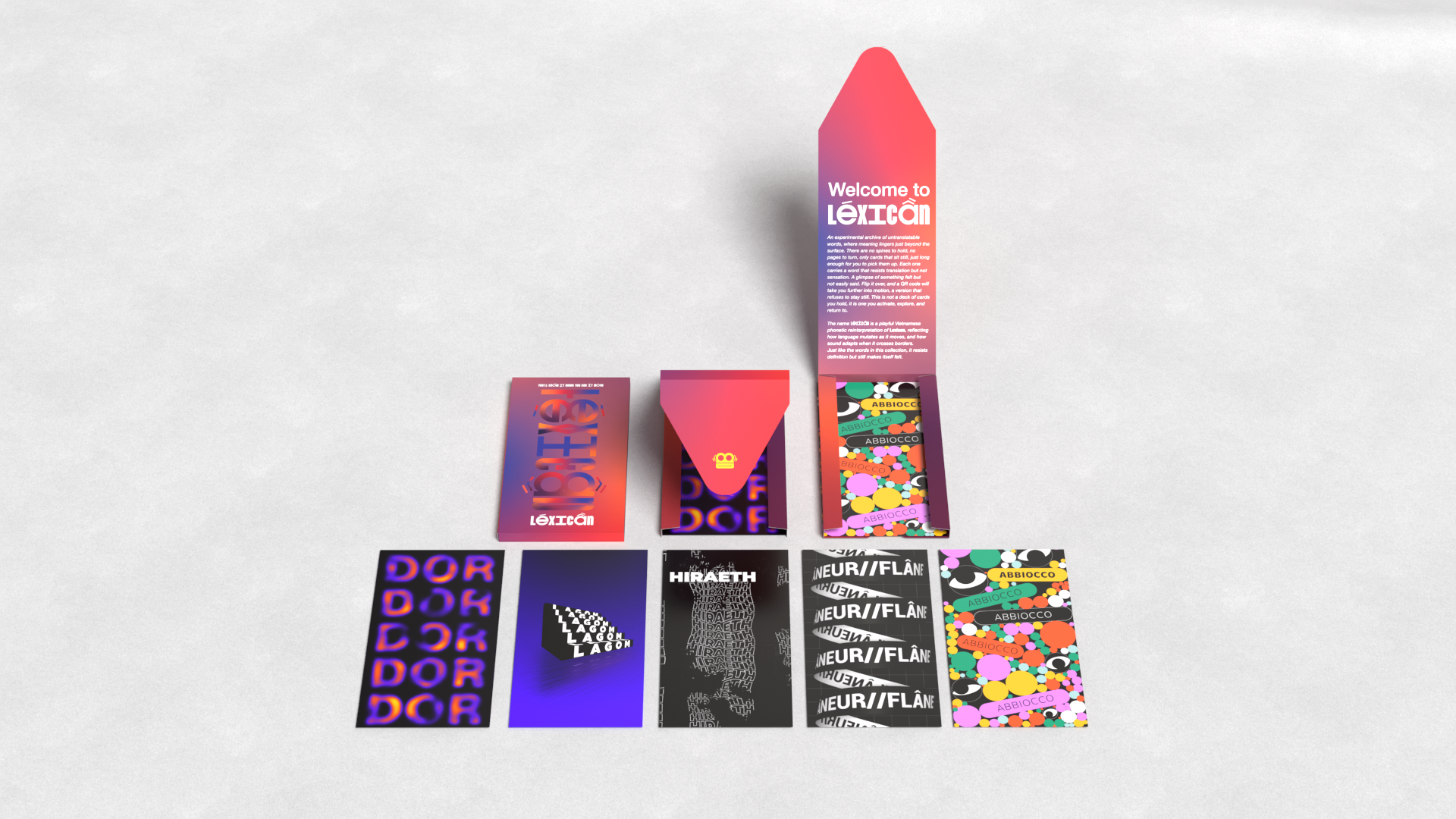
Although the AR gallery became the main format, I did not want to let go of the physical idea. I developed mockups of the card deck as a secondary layer of interaction, where each card functions as an anchor image that activates the motion for its word. Holding the card and scanning it connects touch with screen, allowing the typography to move directly from the printed surface. It became a way to merge tactile discovery with digital storytelling.


Art directed by and thanks to Dermot Mac Cormack